
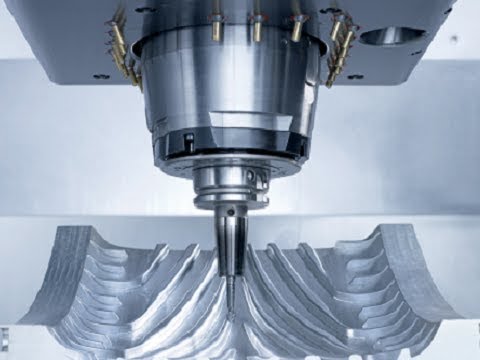
As global manufacturing continues to evolve, companies are under increasing pressure to deliver high-quality components with greater speed, accuracy, and cost efficiency. The solution lies in next-generation CNC technology, which integrates intelligent automation, advanced machining capabilities, and digital connectivity to streamline workflows from design to final production. Modern CNC systems are redefining how factories operate—improving efficiency, reducing errors, and enabling scalable production across multiple industries.
What Defines Next-Generation CNC Technology?
Next-generation CNC technology represents the latest advancements in computer-controlled manufacturing, combining precision machining with cutting-edge digital tools. These new systems go far beyond traditional CNC machinery by integrating:
- Automated multi-axis machining
- Real-time monitoring and analytics
- Adaptive machining strategies
- AI-driven toolpath optimization
- Robotics and smart automation
- Digital twin simulation
- IoT-enabled connectivity
- Predictive maintenance systems
This fusion of hardware and software creates a manufacturing ecosystem that is faster, smarter, and more efficient than ever before.
How Next-Generation CNC Systems Improve Production Workflows
1. Faster Machining Speeds With High-Level Precision
Modern CNC machines operate at significantly higher spindle speeds, feed rates, and tool-changing capabilities. This greatly shortens cycle times while preserving tight tolerances.
2. Intelligent Toolpath Optimization
Advanced CAD/CAM software analyzes geometry, material properties, and machine performance to create optimized toolpaths—ensuring:
- Less tool wear
- Reduced machining time
- Higher-quality surface finishes
AI-powered algorithms dynamically adjust toolpaths for maximum efficiency.
3. Automated Material Handling
Robotic arms, conveyors, and automated loading systems minimize human intervention, speeding up workflows and eliminating errors. Automation also supports continuous 24/7 production.
4. Multi-Axis Machining for Complex Parts
5-axis and 7-axis machines allow manufacturers to machine intricate components in one setup. This reduces repositioning, increases accuracy, and speeds up production.
5. IoT and Smart Connectivity
Next-generation CNC machines are connected through industrial IoT systems, enabling:
- Remote monitoring
- Machine performance tracking
- Real-time alerts
- Cloud-based data storage
This connectivity supports smarter decision-making and reduces downtime.
6. Predictive Maintenance
Sensors monitor vibration, temperature, spindle load, and tool condition. AI analyzes data to predict when maintenance is needed—preventing costly equipment failures.
Key Technologies Driving Next-Generation CNC Manufacturing
Advanced 5-Axis & Multi-Axis Machining
Allows simultaneous movement across multiple planes, enabling machining of complex shapes with greater speed and accuracy.
Digital Twin Technology
Creates a digital replica of the machine, allowing engineers to:
- Simulate machining before production
- Test toolpaths
- Identify errors
- Predict performance outcomes
This prevents costly mistakes and accelerates prototyping.
High-Speed Machining (HSM)
HSM uses lightweight tooling, rapid feed rates, and optimized software settings to dramatically shorten machining cycles while maintaining superior finish quality.
Adaptive Machining
Machines automatically adjust feed rate, spindle speed, and tool position based on real-time conditions—improving efficiency and reducing tool damage.
Laser and Waterjet Hybrid CNC Machines
Hybrid machines combine cutting, milling, and finishing capabilities to streamline multi-step manufacturing processes.
Robotics Integration
Robots handle part loading, unloading, cutting, welding, and assembling—enhancing consistency and increasing production capacity.
Applications of Next-Generation CNC Technology
Aerospace Manufacturing
High-performance components like turbine blades, structural frames, and landing gear require advanced precision and lightweight materials. Next-gen CNC technology ensures compliance with strict aerospace standards.
Automotive & EV Production
Electric vehicle components—battery housings, motor parts, gear systems, and performance components—are produced faster with enhanced accuracy.
Medical Device & Surgical Equipment
Medical manufacturers rely on next-gen CNC for producing implants, orthopedic devices, surgical instruments, and diagnostic equipment components.
Industrial Automation Systems
CNC machines create gears, shafts, housings, and custom tooling for automated machinery and robotics.
Defense, Energy, and Oil & Gas
These sectors benefit from high-performance machining capable of handling hardened metals, corrosion-resistant alloys, and heat-resistant materials.
How CNC Advancements Reduce Production Costs
- Less material waste through optimized toolpaths
- Lower labor costs due to automation
- Reduced machine downtime from predictive maintenance
- Faster cycle times thanks to advanced machining strategies
- Fewer rejected parts through digital accuracy and real-time monitoring
- Smaller tooling expenses due to improved wear monitoring
These benefits directly impact profitability and long-term operational efficiency.
The Future of CNC Technology
The CNC industry is continuously evolving, with new innovations already shaping the next phase of manufacturing:
- AI-controlled machining centers
- Full-factory automation (lights-out manufacturing)
- Self-correcting CNC systems
- Hybrid CNC + additive manufacturing equipment
- Smarter robotics collaboration
- Cloud-based CNC management dashboards
These advancements will further increase output, quality, and reliability—creating a fully intelligent manufacturing environment.
Conclusion
Next-generation CNC technology is revolutionizing production workflows by combining advanced machining systems, automation, and intelligent software. These innovations reduce production time, increase precision, enhance scalability, and dramatically improve operational efficiency. Whether in aerospace, automotive, medical, or industrial manufacturing, modern CNC technology provides a powerful foundation for achieving superior results and sustainable growth.