
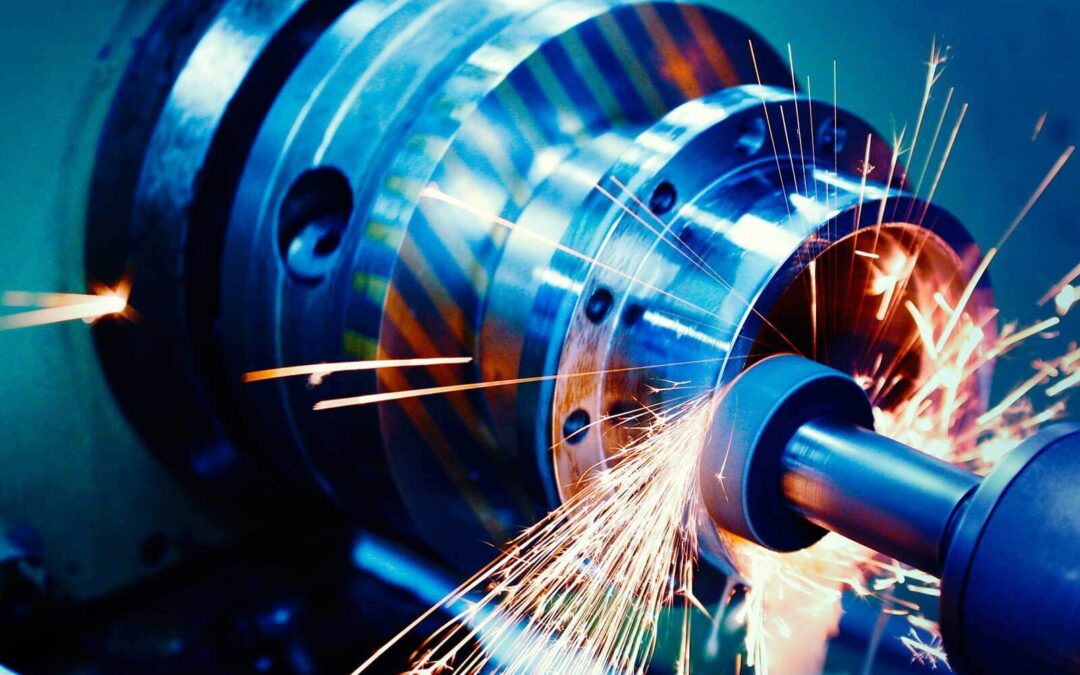
In today’s rapidly advancing industrial landscape, engineers and manufacturers face increasing pressure to create components that are stronger, more precise, and more complex than ever before. Expert CNC metalworking has become essential for overcoming these challenges, providing advanced capabilities that traditional machining methods simply cannot match. With high precision, unmatched consistency, and compatibility with a wide range of metals, CNC metalworking supports industries where engineering complexity and reliability are non-negotiable.
What Is CNC Metalworking?
CNC metalworking uses Computer Numerical Control (CNC) machines to shape, cut, drill, mill, or form metal materials into highly detailed components. Operating through digital programming, CNC machines transform raw metal stock into complex parts with extreme accuracy—eliminating human error and ensuring repeatability.
Modern CNC metalworking uses:
- Multi-axis CNC milling
- CNC turning and lathes
- EDM (Electrical Discharge Machining)
- Laser and plasma metal cutting
- Robotic automation systems
- CAD/CAM programming for precise tool paths
These technologies allow manufacturers to produce intricate components that meet the demanding specifications of modern engineering projects.
Why CNC Metalworking Is Essential for Complex Engineering Challenges
1. Precision for Tight Tolerances
Many industries require parts with tolerances measured in microns. CNC machines deliver exacting precision, ensuring proper fit, function, and structural integrity—critical for aerospace, automotive, and medical projects.
2. Ability to Machine Difficult Geometries
CNC metalworking excels at creating:
- Deep cavities
- Compound curves
- Thin walls
- Undercuts
- Complex multi-angle designs
5-axis and multi-axis machining makes it possible to create shapes impossible with manual tools.
3. Compatibility with Advanced Metals
CNC metalworking supports both standard and high-performance materials, including:
- Stainless steel
- Aluminum
- Titanium
- Brass and copper
- Inconel
- Tool steels
- Alloy metals
- Hardened or heat-treated metals
This flexibility allows engineers to choose materials based on strength, heat resistance, and performance.
4. Consistency for Large-Scale Production
Once a CNC program is established, the machine can produce hundreds or thousands of identical parts without deviation—ideal for mass manufacturing.
5. Enhanced Efficiency and Cost Savings
CNC automation reduces labor, accelerates production timelines, and minimizes material waste. The result is lower cost per unit without sacrificing quality.
Industries That Rely on Expert CNC Metalworking
Aerospace & Defense
Airframes, turbine blades, structural brackets, and engine components require extreme accuracy and high-strength metal alloys. CNC metalworking ensures exceptional reliability under high stress and temperature.
Automotive & Motorsport
Engine parts, transmission components, suspension brackets, brake systems, and precision housings depend on CNC machining to maintain performance standards.
Medical Device Manufacturing
CNC metalworking is essential for producing surgical instruments, orthopedic implants, and dental components that demand strict tolerances and biocompatible materials.
Energy & Power Generation
Turbine systems, heat exchangers, hydraulic components, and power plant structures rely heavily on CNC precision.
Industrial Equipment & Machinery
Custom parts for robotics, automation equipment, factory machinery, and heavy-duty machines are often created using CNC metalworking due to their complexity and need for durability.
Advanced CNC Metalworking Technologies
5-Axis CNC Machining
Allows machining along five simultaneous axes, making it possible to create complex metal structures in fewer setups with superior accuracy.
CNC Turning Centers
High-speed lathes create perfectly symmetrical cylindrical components—ideal for shafts, bushings, rings, and threaded parts.
Electrical Discharge Machining (EDM)
EDM technology enables precise cutting of extremely hard metals or intricate shapes that are difficult to machine with traditional tools.
CNC Laser & Plasma Cutting
Perfect for sheet metals, steel plates, and high-strength alloys, providing clean edges and narrow kerfs.
Robotic Automation
Automated material handling and tool changing maximize consistency and reduce downtime.
Digital Inspection Systems
Modern CNC shops use CMM (Coordinate Measuring Machines), laser scanners, and in-process monitoring to guarantee part accuracy.
How Expert CNC Metalworking Solves Engineering Challenges
1. Complex Prototyping
Engineers can quickly produce prototypes with precise geometry, enabling faster testing and shorter development cycles.
2. High-Strength, High-Performance Components
CNC machining ensures that critical parts maintain mechanical strength, withstand extreme environments, and support high loads.
3. Reducing Failure Risk
Precision CNC machining eliminates dimensional errors that cause part failure, especially in safety-critical fields like aerospace and medical devices.
4. Custom Engineering Solutions
CNC metalworking supports customization for unique machinery, one-off components, or low-volume specialty production.
Benefits of Working With Expert CNC Metalworking Professionals
- Access to advanced machines and high-grade materials
- Skilled machinists who understand engineering challenges
- Custom CAD/CAM solutions tailored to each project
- Consistent, reliable results across all production volumes
- Faster turnaround times and improved project efficiency
- Quality assurance with detailed inspection documentation
Choosing a professional CNC provider ensures your components meet strict performance, durability, and quality requirements.
Conclusion
Expert CNC metalworking is crucial for addressing the complex engineering challenges faced by today’s industries. Through advanced machinery, high-precision capabilities, and the ability to work with a wide variety of metals, CNC technology delivers exceptional results for projects requiring strength, accuracy, and reliability. Whether developing prototypes, creating high-performance components, or executing large-scale production, CNC metalworking remains one of the most powerful tools in modern manufacturing.